
Flu season is in full swing, and if you’ve already stocked up on vitamin C, zinc, and elderberry—you’re not alone. Those tools can be helpful. But for many people, they’re only part of the picture.
In functional medicine, we zoom out and ask a different set of questions:
Where does the virus actually enter the body?
Where does your immune system first engage it?
And what everyday factors quietly weaken—or strengthen—that response?
When you look at flu prevention through that lens, three often-overlooked strategies rise to the top. They don’t rely on pills or powders. Instead, they support the body’s built-in defenses where infections begin, where they spread, and where recovery happens.
1. Target the First Place Flu Invades: Your Nose
Most respiratory viruses—including influenza—enter the body through the nasal passages. Once there, they bind to the mucosal lining, replicate, and move deeper into the airway.
That mucosal lining isn’t just passive tissue—it’s an active immune barrier. When it’s hydrated, intact, and functioning well, it traps pathogens and helps clear them before they gain a foothold. When it’s dry or inflamed, viruses have an easier time sticking around.
This is where simple nasal hygiene can make a meaningful difference.
Two options to consider:
- Xylitol Nasal Spray Xylitol has been shown to reduce bacterial and viral adhesion in the nasal cavity and support a healthier mucosal immune response.
- Colloidal Silver Nasal Spray (low concentration, short-term use): Silver nanoparticles have shown antiviral activity in vitro and may help reduce viral load when used appropriately .
When this can be helpful:
- After air travel or crowded public transport
- After known exposure to someone who’s sick
- At the first sign of congestion, post-nasal drip, or a scratchy throat
These aren’t treatments for the flu. Think of them as early-stage defense tools—ways to reduce the chance that a virus successfully takes hold in the first place.
Important note: Only use nasal sprays formulated for nasal use, at appropriate concentrations, and for short durations. Long-term or excessive silver exposure is not recommended.
2. Create a More Immune-Friendly Indoor Environment
We often blame winter flu outbreaks on spending more time indoors. But the bigger issue isn’t being inside—it’s what winter air does to your airway.
Indoor heating dramatically lowers humidity. When humidity drops below about 30% (very common in winter), several things happen:
- Nasal passages dry out
- Mucus thickens and becomes less effective
- The mucosal barrier struggles to trap and clear viruses
Dry air essentially weakens your first line of respiratory defense.
on—but it supports the physical conditions your immune system needs to function properly at the airway surface.
The fix is surprisingly simple:
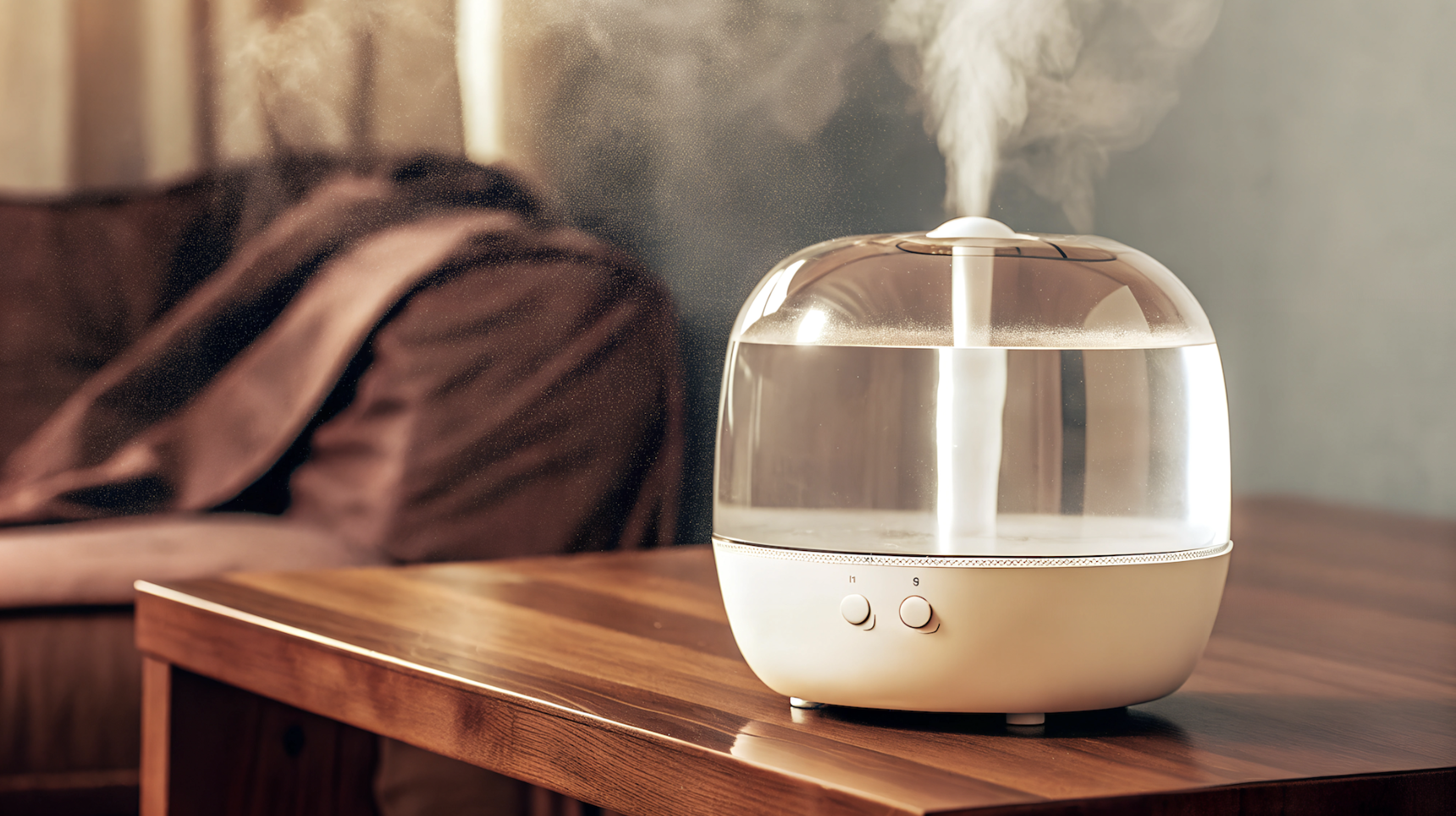
Use a cool mist humidifier to maintain indoor humidity between 40–60%, especially in bedrooms, offices, and kids’ play areas.
At this level, research shows improvements in:
- Mucociliary clearance (your nose’s natural “conveyor belt” for debris and microbes)
- Reduced viral survival in the air and on surfaces
- Better sleep quality and overall respiratory comfort
A basic humidifier may not feel like an immune intervention—but it supports the physical conditions your immune system needs to function properly at the airway surface.
3. Stop Eating 2–3 Hours Before Bed
You know how your body feels “off” after a late dinner followed by a fitful night? There’s more going on than indigestion — the timing of your food interacts with your circadian rhythms, sleep quality, and overnight recovery processes that matter for immunity.
Why meal timing matters:
1) It helps your circadian biology stay in sync
Eating late — especially within 2–3 hours of going to bed — can shift your internal clock and delay the normal nighttime rise in melatonin, the hormone that coordinates sleep and immune rhythms. Modern nutrition science calls this the chrononutrition effect — meal timing influences metabolic and hormonal cycles, including glucose handling and immune cell activity.
2) It improves sleep continuity and quality
Human studies show that finishing meals earlier (i.e., >3 hours before bed) is associated with fewer nighttime awakenings and better sleep maintenance compared with eating closer to bedtime.
Better sleep isn’t just about feeling rested — many immune processes (like cytokine cycling and memory T-cell formation) occur during consolidated sleep.
3) It supports brain “housekeeping” at night
The glymphatic system — a brain-wide clearance mechanism active primarily during sleep — removes metabolic waste and inflammatory byproducts. A growing body of research shows this system operates in concert with sleep timing and depth, and that fragmented or short sleep reduces efficiency of waste clearance.
Late eating can fragment sleep, indirectly impairing neuroimmune recovery.
4) It harmonizes metabolic and immune rhythms
Food intake is a powerful cue for peripheral clocks throughout the body. When you eat at times that conflict with your circadian rhythm (like late at night), it can misalign metabolic and immune system clocks — affecting inflammatory responses and possibly dampening immune vigilance.
Simple daily rule: “Finish eating at least 2–3 hours before bed.”
This gives your body time to (a) switch from digestion mode to repair mode, (b) produce melatonin unopposed by food signals, and (c) enter deeper, more restorative sleep stages that are tied to immune regulation.
A practical example:
If your usual bedtime is 10:00 p.m., aim to wrap up your evening meal by 7:00–7:30 p.m. and avoid heavy snacks after that. This isn’t about caloric restriction — it’s about respecting your body’s innate rhythms that coordinate sleep, metabolism, and immunity.
The Bottom Line
Flu prevention isn’t just about what you take—it’s also about what you do.
To support your immune system this season, don’t overlook:
- Simple nasal hygiene with xylitol or colloidal silver sprays
- Indoor humidity between 40–60% to protect your airway lining
- Nightly fasting before bed to restore your immune recovery window
None of these strategies are miracle cures—but each supports your body’s natural defenses in ways that are often ignored.
If you’re looking for a more personalized immune plan or want help recovering after frequent infections, we’d love to help.
👉 Book a free discovery call with Resolve Medical
Research
Potential Role of Xylitol Plus Grapefruit Seed Extract Nasal Spray Solution in COVID-19: Case Series
Antiviral and immunomodulatory activity of silver nanoparticles in experimental rsv infection
Antiviral activity of silver nanoparticles against the influenza A virus
Melatonin: buffering the immune system
Circadian control of brain glymphatic and lymphatic fluid flow
Intermittent time-restricted feeding promotes longevity through circadian autophagy